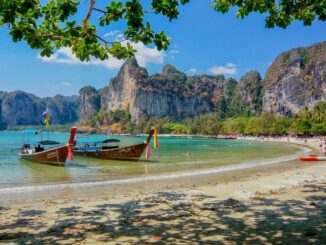
Maldives in January 2027: weather, reviews, water temperature, what to pack. Is it worth going on holiday, which atoll should you choose? What is there to do and see in the Maldives in winter, what should you know before you go — Eurotraveler shares all the details.
January is one of the most appealing months to visit the Maldives. Not necessarily in terms of saving money, of course, but when it comes to enjoying an unforgettable holiday filled with wonderful experiences.
That’s because the archipelago settles into its peak beach season right in the middle of winter, like slipping into a warm bath. The sea — the Indian Ocean — becomes much calmer, sunny days — more frequent, and the chances of prolonged tropical downpours drop to a minimum.
For travelers dreaming of powder-white beaches, warm seas, and that classic Bounty-style tropical getaway, a trip to the Maldives in January really does look like an excellent choice.
And one that promises far fewer worries about unfavorable weather!
Of course, before diving headfirst into the adventure and booking your holiday, it’s worth getting to know a few details. And they really do matter!
- The archipelago lies in the tropics, which means winter in the Maldives can often be hot and humid.
- The individual islands, grouped into atolls, are scattered across such a vast area that choosing the wrong one (or simply one that isn’t quite right for you) can lead to disappointment and unexpected expenses.
- And, of course, this Asian island nation has its own particular quirks. It’s best to familiarize yourself with them before you travel!
That said, we’ll start with the most important thing: taking a closer look at what the
Weather in the Maldives in January
In winter, the archipelago comes under the influence of the northeast monsoon, known locally as Iruvai. And this is a good, friendly wind.
It starts blowing across the Maldives in December and continues until March. Bringing predominantly dry and more stable weather.
Unlike the wet season, when it can rain for several hours (sometimes even days) on end, rainfall the Maldives throughout January is usually short-lived. Day after day, the weather is mostly clear or partly cloudy, with the sun ruling the skies so often that even a 10-day holiday can leave you longing for a little shade.

Daytime temperatures around Malé reach 32-34°C (90-93°F) in January, although on some days they may stay closer to 28-30°C (82-86°F). At night, temperatures generally hover around 25-27°C (77-81°F) — apparently to make sure holidaymakers can get some rest after a busy day and recharge for another round of relaxation.
Bear in mind that by 9-10 am, the local sun has already heated the air to such an extent that few people can comfortably spend much time outdoors. Humidity also remains consistently high.
And if you’ve read somewhere that humidity tends to hover around 75-80%, which is lower than during the rainy season in the Maldives, here’s what you should know:
- A. That’s true (as far as the figures go).
- B. It’s also true that humidity is lower than, say, in summer or September-October.
- C. Even so, those are still very high levels. They lead to increased sweating as soon as you do anything more active than lounging on a sunbed. And, naturally, all the unpleasant sensations that come with it.
So, here’s some advice. Actually, two tips.
Try to choose beaches with some natural shade from trees or plenty of sun loungers with parasols. Plan longer walks, excursions, and even snorkelling trips for the morning or evening.
Between 11 am and 15 o’clock (3 pm), it’s much wiser to alternate swimming with relaxing in the shade, having lunch, or simply enjoying a proper nap in your hotel room.
Night-time weather
Winter nights in the Maldives (and, for that matter, throughout the year) are warm. Even after sunset, temperatures rarely drop below 25°C (77°F).
That’s why evenings are best spent strolling along the shoreline, watching the sunset, enjoying candlelit dinners, and doing all those other lovely, perhaps even romantic, things.
You won’t need jackets, sweaters, or even heavy trousers for this kind of evening.
However, bear in mind that restaurants, hotel lobbies, and guest rooms are usually equipped with air conditioning that runs almost constantly. So indoors, it can feel considerably cooler than outside.
That’s why something light to keep you warm — a shirt, sarong, wrap, or shawl — can come in very handy.

Rain and wind
January is considered part of the dry season in the Maldives. But that doesn’t automatically mean it never rains.
Even around Malé, the average monthly rainfall in January is around 80-95 mm. The northern parts of the archipelago generally receive less rain, while downpours are considerably more frequent in the south.
What does this mean in practice?
- A brief tropical shower is entirely possible, even on an otherwise sunny day.
- Prolonged downpours lasting several days are highly unusual in January.
- After rain, the air may feel cooler and more humid, but temperatures usually return to their normal levels quite quickly.
- Winds are generally moderate, predominantly from the northeast.
Water Temperature
The ocean that surrounds the Maldives on all sides in January is pleasantly warm, with water temperatures of around 28-29°C (82-84°F). That’s an incredibly comfortable temperature: getting into the water feels lovely even early in the morning. And sometimes, getting out is the last thing you want to do.
January is also considered a great time for snorkelling and diving. During the dry season, the water around many atolls becomes clearer, while the generally calm ocean makes observing underwater life an especially fascinating experience.
Tip
If you’re planning to go snorkelling in the Maldives in January, especially around midday or for extended periods, bring a special UV-protective rash guard and wear it in the water. It’ll help protect your skin from sunburn.
What to Pack
Your holiday wardrobe should mainly consist of lightweight clothing made from natural fabrics. You can also pack something like a light rain jacket in case of a shower, but there’s really no need to go overboard with rain gear.
So, make sure you bring:
- 2-3 swimsuits or swimming outfits, so one can dry while you’re wearing another.
- Lightweight cotton T-shirts and tops.
- Shorts, skirts, sundresses, and loose-fitting summer trousers.
- Linen or cotton shirts and tunics.
- A beach cover-up or sarong.
- A wide-brimmed hat or baseball cap.
Ideally, choose loose-fitting clothes in light colors rather than anything tight or restrictive. They absorb less heat from the sun and feel more comfortable in high humidity.
Here — we recalled, what to put in a suitcase for a sea holiday.

For the evenings
Light dresses, shirts, linen trousers, and shorts are perfect for restaurant dinners and strolls around the hotel grounds.
Some upscale resorts have dress codes for their restaurants. For example, you may be asked not to come in wearing swimwear, wet beach clothes, or barefoot.
It’s also worth packing one lightweight long-sleeved shirt or a thin cardigan to avoid catching a chill from the air conditioning.
Footwear
Flip-flops or sandals are the main footwear you’ll need for the beach, pool, and walks around the resort. Lightweight sandals are a good choice for excursions, exploring local islands, and boat trips.
Water shoes can come in handy on islands where the seabed is rocky or covered with coral. On some beaches, however, you can get by perfectly well without them.
Trainers and closed-toe shoes aren’t essential. If you’re planning nothing more than beach time, boat excursions, and dinners at your hotel, two or three pairs of summer footwear should be more than enough.
What else to pack
- SPF 50+ sunscreen.
- Sunglasses with good UV protection.
- After-sun lotion.
- Insect repellent, especially for evening walks.
- A waterproof phone case or a small dry bag.
- A lightweight beach bag.
- A snorkelling mask and snorkel, if you prefer using your own equipment.
Pay particular attention to sun protection. The UV index in the Maldives in winter can reach extreme levels, so it’s best not to skip sunscreen or a hat, even on cloudy days.
Which Atolls are Best in January?
Choosing a place for relaxation depends not only on the hotel but also on the kind of holiday you’re looking for.
North Malé Atoll
A good choice for first-time visitors, families, and anyone who doesn’t want to spend too much time traveling to their resort. Because the infrastructure here is well developed, transfers from the airport are quick (and relatively inexpensive), and there’s a good choice of activities and an even wider selection of hotels.
Based on our own experience, we’d suggest taking a look at VelaaVani — Turtle Hive on Dhiffushi (North Malé Atoll).
Rasdhoo

Ideal for diving enthusiasts, underwater channels, and encounters with large marine creatures. A good option if you’re looking for a more active holiday.
Thoddoo
A much more laid-back destination, particularly well suited to a relaxing beach holiday. One accommodation option is especially worth considering here — Rangali thoddoo Maldives.
South Ari Atoll
An excellent choice for snorkelling, diving, and excursions to see whale sharks. Encounters with these magnificent creatures are possible in January, too, although there’s obviously no guarantee.
South Ari Atoll lies around 100 km southwest of Malé, so getting there without taking a domestic flight can be challenging. A speedboat journey can take up to three hours, and if the ocean gets rough, well…
We haven’t visited South Ari ourselves, so unfortunately, can’t recommend any particular accommodation. But for sure — you’ll have no trouble choosing options from the list of hotels in Ari Atoll.
Prices in 2027
Midwinter is peak season in the Maldives, so accommodation and flight prices are far from budget-friendly.
The most expensive period is around the New Year holidays. During the first ten days of January, many hotels still charge festive-season rates, and some even impose a mandatory minimum stay.
After 10 January, the choice of available offers becomes wider and prices start to fall. Meanwhile, the weather remains practically unchanged!
All in all, you may count to find good accommodation on a local island like Thoddoo for €80-100 per 2 per night. As for the flights they will cost from €350 each way.
All this, of course, a bit after New Year’s Day!
Things to Do
We’ll keep this section short because, in our opinion, the main reason people travel to the Maldives is to enjoy a slower, more relaxed way of life.

Even if it’s just for 7-10 days, you get to switch off completely from everyday worries and the constant need to come up with answers to all of life’s modern challenges.
So sleep more, eat better, swim more, and take long walks along the shore. Don’t put time limits on doing absolutely nothing.
If you’re in the mood, you can go on boat cruises or fishing trips. Most holidaymakers feel it’s practically their duty to tire themselves out snorkelling (while a smaller number manage to do the same by scuba diving).
However, it’s worth bearing in mind that sharks in the Maldives can be quite dangerous. Even reef sharks and nurse sharks. And that’s without even mentioning some of the more formidable members of the family: tiger and bull sharks.
You may also spot giant manta rays in the Maldives coming there in January. During this period, some of the most promising dive sites for encounters with these magnificent creatures are located in the western part of Ari Atoll.
Maldives Visa and Entry Requirements
Citizens of more than 90 countries and territories do not need to apply for a visa in advance when traveling to the Maldives as tourists. A free 30-day visa is issued to visitors on arrival.
The full list of countries covered by this rule is available here: passportindex.org/ru/country/maldives/.
The main entry requirements are:
- a machine-readable passport valid for at least one month;
- a confirmed return ticket;
- a confirmed hotel reservation;
- sufficient funds to cover your stay (although these are almost never checked);
- a completed online Traveller Declaration.
The declaration must be submitted through the official IMUGA portal no earlier than 96 hours before arrival. Completing it is free of charge, and there’s no need to use an intermediary. The official website for submitting the declaration is imuga.immigration.gov.mv.
© Eurotraveler