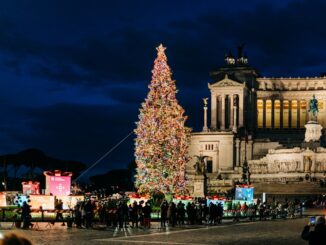
Rome in January 2027 – is it worth visiting? Weather and reviews, air temperatures, what to wear, how much do hotels and sightseeing tours cost? What can you do and see in Rome in early January, just after New Year’s Eve, and later in the month, where else to go in Italy? Eurotraveler has all the answers.
Whatever you may think, winter in Rome offers visitors a wonderful, almost unique opportunity. It’s a great chance to explore the city’s famous landmarks without becoming just another helpless face in a sea of curious tourists.
In other words, you can soak up the thousand-year-old atmosphere of Italy’s capital and get exactly what you hoped for from your trip: complete satisfaction. Anyone who has visited the Eternal City during peak season knows that’s no easy feat…
Of course, even a trip to Rome in January won’t let you escape other tourists entirely. Granted, Catholic Christmas may be over by then. But Epiphany, celebrated on January 6, is also a popular holiday in Italy.
The witch Befana arrives during the night of January 5–6 to leave gifts for children, while adults treat themselves. Most spend their time wandering aimlessly through the streets and lingering over meals in restaurants. And, naturally, going shopping – Italy’s famous winter sales begin right after New Year’ Day.
A Little Later,
in mid-to-late January, all the hustle and bustle in Rome begins to die down.
- You save money on both flights and accommodation.
- And, if you feel like it, enjoy some peace and quiet, even escape from everyday reality.
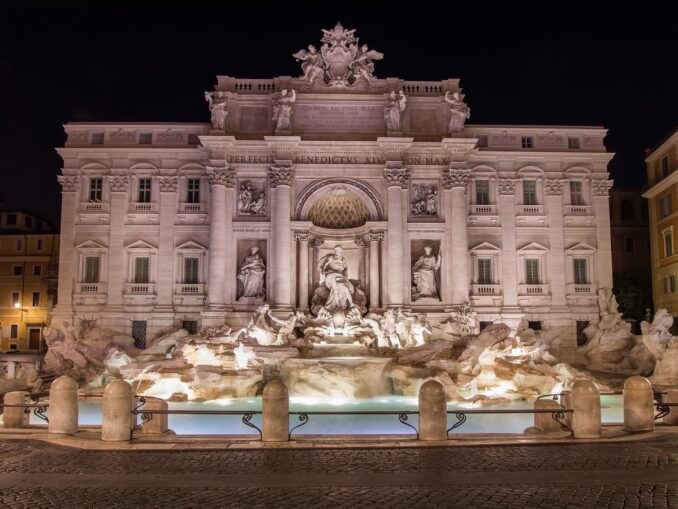
You can also take your time exploring the city, enjoy a leisurely stroll, visit the Roman Forum and the Colosseum without the (huge) crowds. Marvel at the sheer scale of the Pantheon and admire the famous Trevi Fountain without having to peer over other people’s shoulders…
There is so much you can do in a city like this – especially when nobody is jostling you for space! So go for it!
Weather in Rome in January
is perfect for long walks and fascinating, off-the-beaten-path outdoor tours. It might even make you want to save the museums for another day – it’s simply so pleasant here, with plenty of fresh air and room to breathe.
It may feel cold in Rome in January — at least by local standards! But it’s often sunny, too, and the weather can feel surprisingly un-winterlike!
- In early January, during the New Year holidays, temperatures in Rome often hover between 8 and 12 °C.
- Some years, you may even get occasional warmer spells, with temperatures reaching 14–15°C.
Nights in January are considerably colder, though. By the end of the month, outdoor thermometers may drop to just 2-4 °C. During the first ten days of the month, however, the Eternal City can still enjoy almost autumn-like temperatures of 6–10°C after sunset!
Usually, the worst you can expect (and even then, only after sunset) is temperatures hovering around freezing. Though, we’ve never personally experienced frost in Rome being there in January. And most travelers’ reviews don’t seem to mention it either…
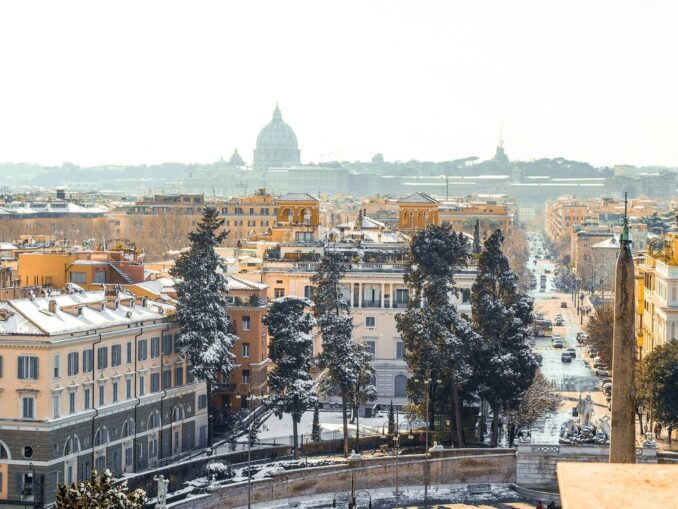
That said, you can find photos online of a frost-covered Colosseum and snow-dusted paths nearby…
In any case, there is no particular need to overload your luggage with warm clothes when visiting Rome in the middle of winter. A mid-season jacket paired with a warm sweater will be perfectly sufficient for everyday wear, so it’s best to leave your bulky down jacket at home.
After all,
the less you pack, the more souvenirs and gifts you can bring back from Italy for family and friends. And that’s no small consideration: this European country has so many genuinely interesting things to buy that you could easily fill more than one suitcase!
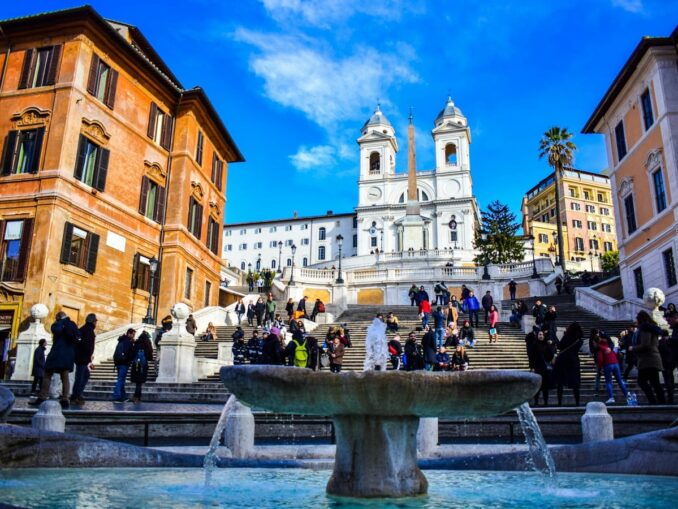
Italians themselves – clearly not the most cold-resistant people on Earth – in January generally get around Rome wearing lightweight jackets and autumn coats. Many don’t even bother with a hat.
- Scarves are also common — it’s a stylish look.
- And plenty of people wear gloves, too. It does get chilly! 🙂
Rainfall
Sunny days in Rome during the first month of the year are by no means unusual! According to weather forecasts, the number of them is generally about the same as the number of cloudy ones.
Average monthly precipitation is no more than 50 mm. There are usually up to 6–7 rainy days (often fewer).
However:
- Snow in Rome in winter is a truly astonishing sight.
- And an absolutely breathtaking one — quite literally!
Based on travelers’ reviews, in the worst-case scenario, rain might spoil half a day of your trip — occasionally a whole day. And even then, only if you ignore the weather forecast and decide to go sightseeing instead of visiting the Vatican Museums or marveling at the grandeur of St. Peter’s Basilica…
You can check the weather forecast for Rome for the next five days here: worldweather.wmo.int/ru/city.html?cityId=201.
Things to Keep in Mind
- Snow is extremely rare in Rome, so there’s little reason to expect a winter wonderland with snow-covered squares.
- Severe frosts are not usually a feature of the city’s climate.
- Because the weather can be quite unpredictable, it’s best to be prepared for sudden showers. Keep an umbrella handy!
- It gets dark relatively early: in mid-January, sunset is around 17 o’clock (5 pm).
- Open spaces and observation terraces can feel noticeably colder than sheltered, wind-protected streets.
The Bottom Line
January weather won’t stop you from exploring the city, but it does call for a little thought when planning your itinerary. For example, it’s best to visit the Roman Forum and Palatine Hill in the morning. Then, after lunch, head to museums, churches, basilicas, and palaces.
By the way, remember that it’s best to book your Vatican Museums tickets in advance, around 2–3 weeks before your trip (tickets are non-refundable, so bear that in mind): museivaticani/en/organizza-visita/tariffe-e-biglietti.html.
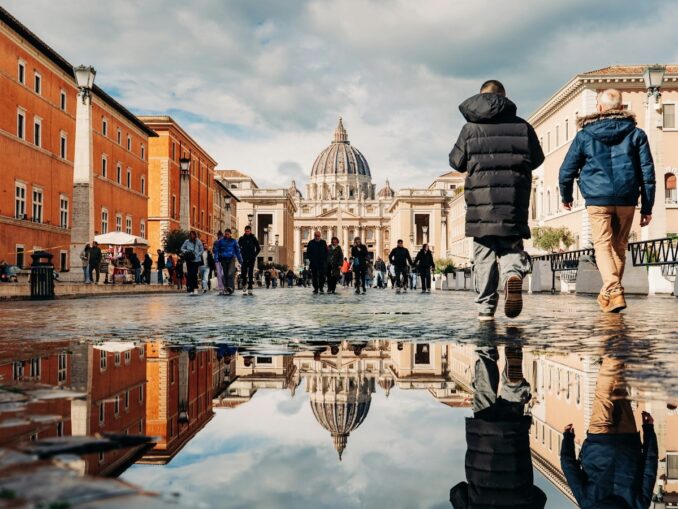
Prices in 2027
A trip to Rome after New Year’s Eve and the holiday season, in mid-to-late January, will still cost you a fair amount. But considerably less than the same trip between May and October!
In any case, you should be able to find a hotel room, even one located some distance from the city’s central districts, for just €90-100 per night. And that’s for two people!
Our first recommendation would be the affordable, though rather cramped, — Una Chicca a Roma guest house. It may look as though it’s out in the suburbs, but its location is actually so convenient that getting into and out of Rome won’t take up much of your time.
Would you rather stay closer to the city centre? Then take a look at this option near Termini Station and just a 15-minute walk from the Colosseum: Domus Ferruccio.
It’s noticeably more expensive during peak season than the previous option, but in January it offers accommodation at reasonable rates. A room for three people should cost around €130–140 per night!
Airfares vary considerably depending on which country in Europe or elsewhere in the world you’re traveling from. Your chosen travel dates and a bit of luck also play a part – after all, it’s no secret that you can sometimes snap up a great deal for a ridiculously low price!
Can You Save Money?
Could you cut your transport costs by driving to Italy in your own car? In theory, yes. In practice, though, that’s far from guaranteed!
- Fuel is simply too expensive in this country.
- And toll road charges are enough to make you
dislikeseriously rethink the idea.
Guided tours of Rome cost roughly the same in winter as they do in summer. Fortunately, they’re not particularly expensive either: a sightseeing walk around the city in a small group will cost around €25-30 per person. A private tour, exclusively for you, starts at around €130-150.
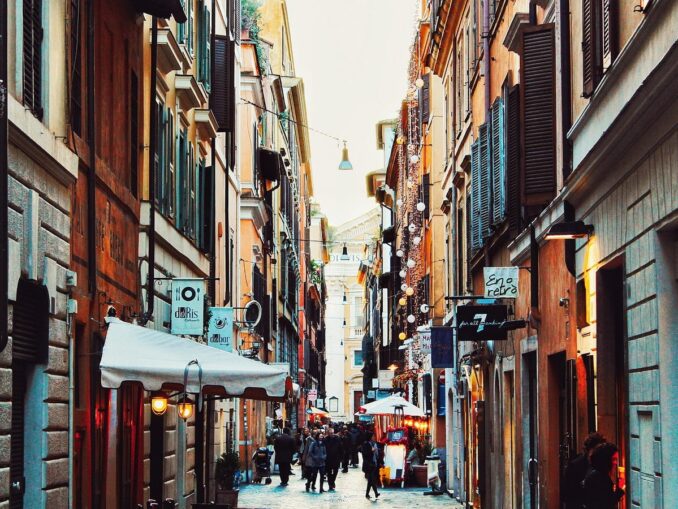
Things to Do
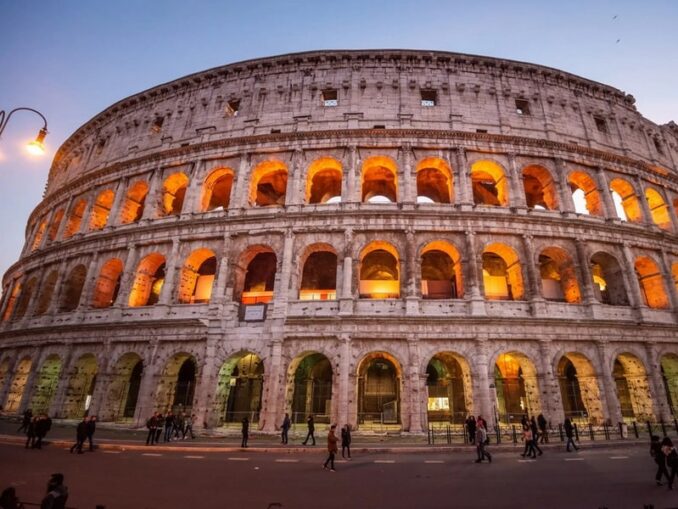
These days, even schoolchildren have a pretty good idea of where tourists should go in Rome. And that popularity has consequences: waiting 2-3 hours to get into the Colosseum or Roman Forum is nothing unusual.
In mid-to-late January, however, you won’t have to make such sacrifices. That’s because the average tourist is busy dealing with work and everyday life at this time of year.
And if they do think about taking a trip, they’re more likely to plan to visit Rome in April, around Easter. Or perhaps a little later, during the May holidays.
Some may not even consider visiting in summer, when the heat can make it difficult to breathe in Rome.
- So, if you’re visiting the Eternal City during the off-season (and a relatively dry month), it’s definitely worth putting together an extensive itinerary in advance.
- Plan visits to places that are normally packed with visitors at other times of the year.
For example, to the Pantheon and Borghese Gallery, Rome’s famous churches, the National Roman Museum.
January 6 — Epiphany and the Befana Festival
This is one of Italy’s most charming winter celebrations. Devout Catholics on January 6 celebrate Epiphany. For Italian children, however, the day is all about Befana – a fairy who flies in on a broomstick and leaves presents in children’s stockings.
- Well-behaved children receive sweets.
- Those who have been naughty traditionally find a symbolic piece of coal instead.
In Rome, Piazza Navona is the main centre of the festivities. There’s usually a festive market selling sweets, toys, and souvenirs, along with activities and entertainment for children. The celebrations also feature theatrical performances.
January 6 is also an official public holiday in Italy. Keep this in mind, as huge crowds are likely to be out and about everywhere!
Where to Go on a Day Trip
Even in January, we’d recommend looking beyond the city’s main attractions. Back in June, we enthusiastically encouraged you to take a trip from Rome to the seaside resorts of Ostia or Terracina. In January, though, we’d suggest a different set of priorities: charming towns such as Orvieto and Viterbo, and some snow activites!
- Yes, that’s quite possible!
- Just 100 kilometres north of Rome, you’ll already find well-equipped slopes for skiing and snowboarding. And they’re often covered in plenty of snow!
Never heard of the Italian ski resort of Terminillo? You’re missing out! Romans themselves love skiing there when they can’t get away for a couple of days to Bormio or a similar (affordable but cozy) resort in the Dolomites.
Just remember that there is no public transport to Terminillo. And even by car, the journey will take around two hours!
Lake Bracciano is particularly beautiful in winter also. It’s easy to get there, too: the town of the same name is just 45 km away and is connected to Rome by rail!
Even faster you can get to Castel Gandolfo. Which is famous not only for being the Pope’s summer residence (you need to book your visit in advance: www.museivaticani.va/content/), but also for its magnificent views over Lake Albano. It has that wonderfully relaxing, peaceful atmosphere so typical of Italy’s smaller towns.
- The cheapest way to get from Fiumicino Airport to Rome
- How much does a metro ticket cost in Rome?
- How to take a quick trip from Rome to Florence
© Eurotraveler