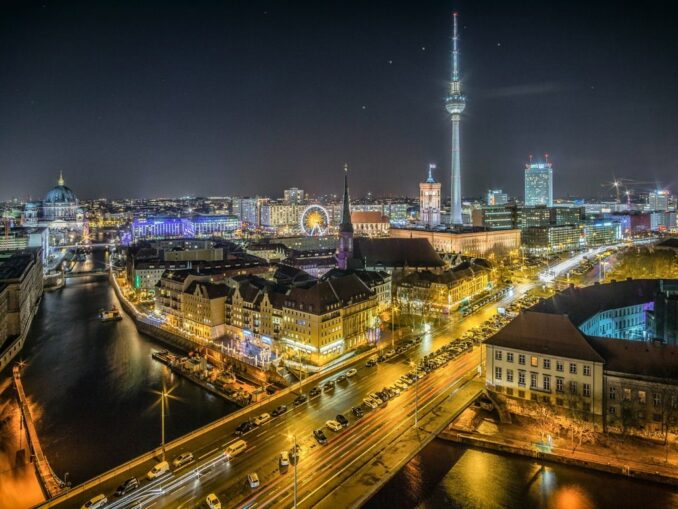
Berlin in winter: weather in December, January and February, reviews, average temperatures, what to wear? Is it worth visiting, what is the best time to go, 2026/2027 hotel and excursions prices. What to see and do in Berlin in winter, how to celebrate Christmas and New Year’ Eve, where to go with children — Eurotraveler has all the details.
Winter is no reason to feel gloomy, bury yourself in work or spend all your time dealing with everyday chores. On the contrary, it’s a great time to travel.
Even a short trip can make a real difference — it breaks up the routine and puts up an (almost) insurmountable barrier against the blues!
Choosing a destination shouldn’t be a problem. All you need to do is think of a place you’ve always wanted to visit but somehow «never got around to». And the costs are unlikely to be astronomical, especially if you avoid traveling right before New Year’s Eve.
Germans, for example, love in winter visiting Berlin, whether for Christmas or at other, less festive times of the year. And it’s not Germans only — people from Poland and the Netherlands, Austria and the Czech Republic do exactly the same.
So, lets to inquire just how appealing is Berlin in the winter months? What’s the weather like, and what does the city have to offer visitors — after all, keeping residents and tourists entertained is part of the local authorities’ job?!
What should you wear and pack, how much will you spend, what are the hotel prices in Berlin, and how much do sightseeing tours cost?
We’ve looked into it all!
Weather in Berlin in Winter
is much milder than — say — somewhere in Scandinavia or even in Poland. Yes, cold snaps do happen sometimes, and there’s a good chance you’ll encounter dangerously slippery pavements. But these conditions tend to occur only occasionally!
Most of the time, Berlin’s winter isn’t cold enough to cause serious problems for tourists — provided, of course, that you’re prepared for snow and ice and dress accordingly!
Before we take a closer look at each winter month, here are the answers to some of the most common questions:
What You Need to Know
- What is winter in Berlin generally like? It’s moderately cold, with temperatures usually above freezing, typically around +2 to +5 °C. Frosty days are relatively rare. Even so, you should always be prepared for icy conditions and slippery pavements in the mornings and evenings
- How cloudy and damp does Berlin get during the coldest months? The chances of an overcast day range from 80% to 90%, depending on the month. Humidity is also high, usually above 80%.
- What is there to do in Berlin in winter? First and foremost, explore the city on foot! When the weather cooperates, visit the Christmas markets. In late January and early February, you can also go shopping during the traditional winter sales.
Now, let’s take a closer look!
December
At the start of winter, average temperatures in Berlin generally stay above freezing, both during the day and at night.
Temperatures can drop to -4 to -8 °C, but such cold spells rarely last long — usually no more than five to seven days. The rest of the time, daytime temperatures can range widely from -1 to 0 °C to a surprisingly mild +10 to +14 °C.
And predicting exactly when you’ll get a spell of almost spring-like warmth is virtually impossible.
There’s a fairly good chance, incidentally, that Berlin’s weather will deliver just such a pleasant surprise around Christmas. Temperatures can even stay above +5 °C on New Year’s Eve, and sometimes well into January.
Needless to say, curious travelers will welcome this prospect. It means they can make the most of their time in the city and see all of Berlin’s main sights in just three or four days!
December’s average precipitation in Berlin is around 35 mm, most of it falling as rain or sleet. Overcast skies are the norm, and even partly sunny days are few and far between.
But
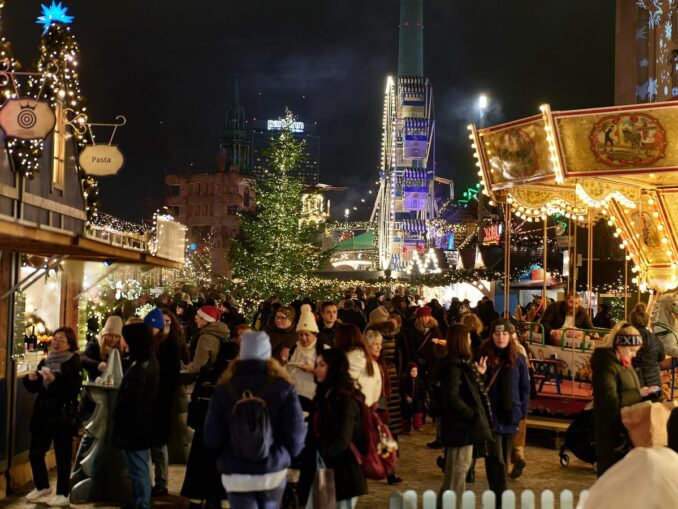
that’s nothing to worry about — the festive atmosphere that fills Berlin throughout December, the twinkling Christmas trees and dazzling city lights more than make up for the almost complete lack of sunshine.
The abundance of Christmas markets, glowing in the darkness, along with the crowds of cheerful or at least good-natured people on the streets, will give you plenty of reasons to write a glowing, perhaps even enthusiastic, review of your trip. Hot mulled wine, sausages and all the excitement of the festive season only add to the magic — just take a look at this account: irecommend.ru/moe-volshebnoe-zimnee-puteshestvie-v-berlin.
On December 1, Berlin’s daylight lasts eight hours. The shortest day, December 21, has just seven hours and 40 minutes of daylight.
The forecast for the coming days is available here: worldweather.wmo.int/en/city.html?cityId=59.
January
With a light dusting of snow and the occasional gentle frost, Berlin often looks like this in midwinter. Average temperatures dip a little, but they still tend to remain above freezing.
You might not notice much difference unless you keep a close eye on the weather forecast. Outside, however, it can feel very cold and damp.
You may feel like wrapping up warm even when the forecast says +5 °C — the high humidity is probably to blame.
According to long-term statistics, precipitation also tends to be slightly more persistent than in December. As you’ve probably guessed, it doesn’t all fall as rain, and monthly totals rise to around 35–40 mm. Surprisingly, there are also more clear days — and what could be better than a sightseeing tour of the city on a sunny day?
So, if you visit Berlin in January, you should theoretically enjoy your trip just as much as you would during the run-up to Christmas. Although the festive buzz has largely died down by January 6 or 7, the weather does tend to become a little sunnier.
By January 31, daylight hours have increased to 9 hours!
Once the New Year celebrations are over, the city sees fewer tourists. But towards the end of the month, the crowds return: Berlin’s major winter sales traditionally get underway on the last Monday in January. They’re timed to coincide with the end of the winter season (Winter-Schlussverkauf).
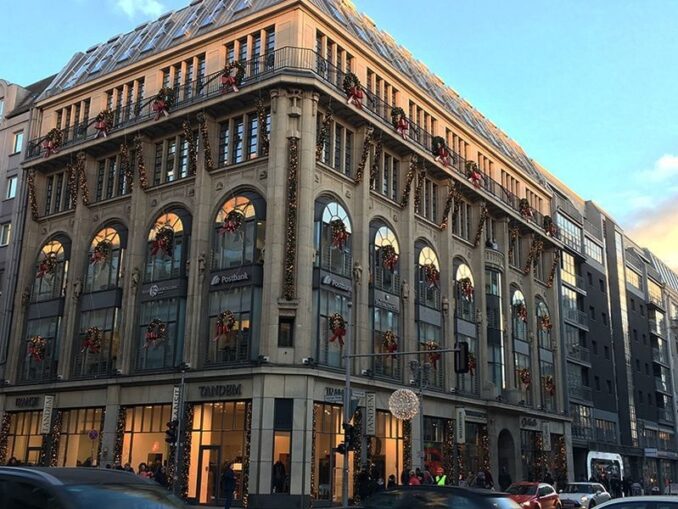
The further into the sales you get, the bigger the discounts tend to be. Some shoppers even report reductions of up to 70%! That’s why it’s worth planning your trip to Berlin for
February
February is a short month, and at this latitude it can almost feel like an early taste of spring. The weather certainly hints at it. While January temperatures tend to hover around freezing and occasionally dip below zero, February regularly brings daytime highs of +5, +7 or even +9 °C.
Sometimes, temperatures even reach +15 °C!
Frost at night is also quite rare. And even when it does happen, temperatures of just -2 or -3 °C are hardly worth worrying about!
February brings more sunshine, along with an increase in clear days, while the likelihood of precipitation and humidity both decline.
In short, it’s a wonderful time to explore the city, enjoy a coffee and tuck into a delicious döner kebab right on the street.
It’s also a chance to get ready for spring, which seems to arrive almost before your eyes. You’ll be glad you discovered such a colourful, welcoming and energising city as Berlin at the end of winter…
Film buffs should remember that Berlin hosts the Berlinale every February. It’s not quite as glamorous as the Cannes Film Festival, but it’s still a major event in the world of cinema.
In 2027, the Berlinale will take place at the festival venue on Potsdamer Platz from February 10 to 21 — berlinale.de/en/home.html.
What to Wear
If you’re an adult, you probably know that you need to dress warmly for winter in Berlin. A lightweight jacket without a lining simply won’t cut it.
Well, you could manage, of course, but you’d end up moving only between taxis, hotels and restaurants!
That would hardly give you a chance to experience the real Berlin. This is a city best explored on foot, with plenty of time to admire its panoramic views from above!
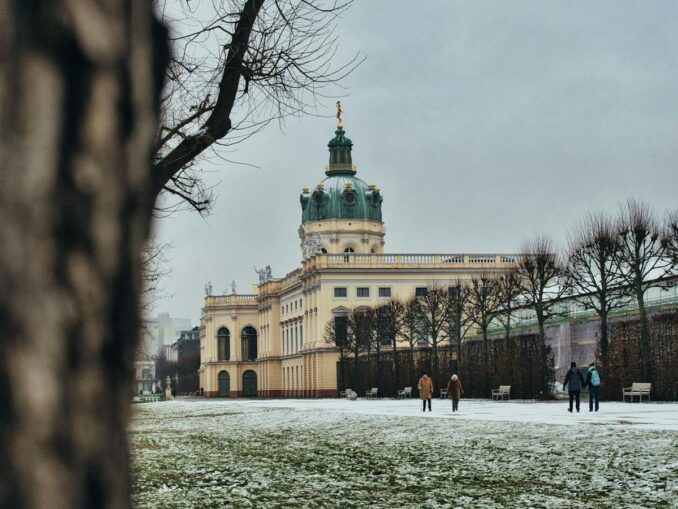
So, if you’re planning a winter trip to the German capital, make sure you dress appropriately.
- Go for warmth: wear a down jacket and a warm hat (although you might easily overheat in this outfit).
- Or opt for practicality: dress in layers so you can easily take something off or put it back on when the weather changes unexpectedly.
Pay particular attention to your footwear. It’s not just about whether your shoes have a warm lining or thick soles — you also need to consider how slippery those soles can be.
During the winter months, Berlin’s pavements can be treacherously slippery. One moment you’re walking along, and the next you’re flat on the ground, with a nasty knock to follow.
And you can count yourself lucky if you land on your backside rather than injuring a knee, elbow or even your head…
Prices for 2026/2027
Fortunately, Berlin is still more affordable than its counterparts in Paris, Rome, Barcelona and Venice. The gap is shrinking with every passing year, though.
For now, at least, a winter getaway to the German capital can still be enjoyed without spending a fortune.
And you won’t have to stay on the outskirts of the city, either — you can find a decent hotel right in central Mitte.
We recommend Motel One Berlin-Hackescher Markt. As it’s an excellent place near Alexanderplatz, ideal for travelers who don’t want to splash out. In December, outside the peak holiday period, a double room costs around €100–120 per night.
The hotel is conveniently located near many of Berlin’s attractions, including Museum Island, Berlin Cathedral and the DDR Museum.
On the edge of Mitte, you’ll find Leonardo Royal Hotel Berlin Alexanderplatz. From here you can reach the German capital’s famous central square in just a couple of minutes by tram — two stops, to be precise.
Guest reviews rightly praise the hotel. And outside the peak New Year’s celebration period, you can stay here for around €100 a night per two people.
Things to Do
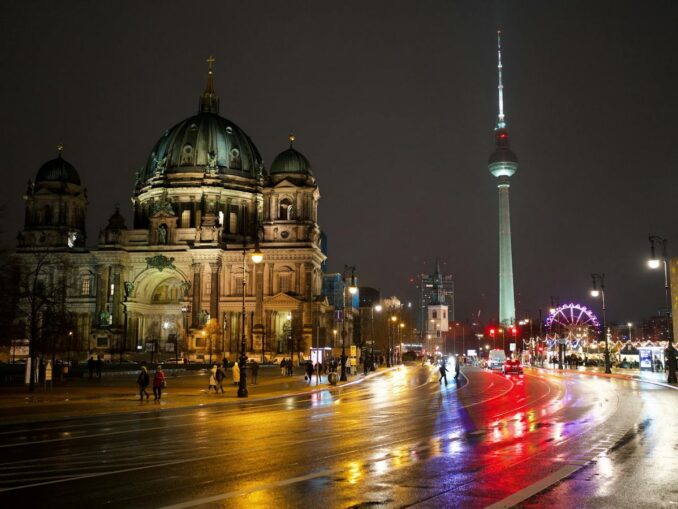
If you visit Berlin during the first five weeks of winter, the festive decorations will almost certainly take centre stage.
It’s impossible to ignore Christmas here. And why would you want to? The festive spirit and the hope of a brighter future are often exactly what help us keep going.
So you’ll probably spend plenty of time wandering through streets and squares, browsing the stalls at Christmas markets and popping into shops, cafés and restaurants. It’s easy to feel as though you’ve stepped into another world, one where everyday worries simply don’t exist.
From late January onwards, you can take a more practical approach to your visit. After all, who wouldn’t want to pick up something fashionable, stylish and well made at a fraction of its usual price?
This is also a good time to discover new places and learn something interesting about the city. You’ll almost certainly want to see if not every ones, then at least the main sights of Berlin.
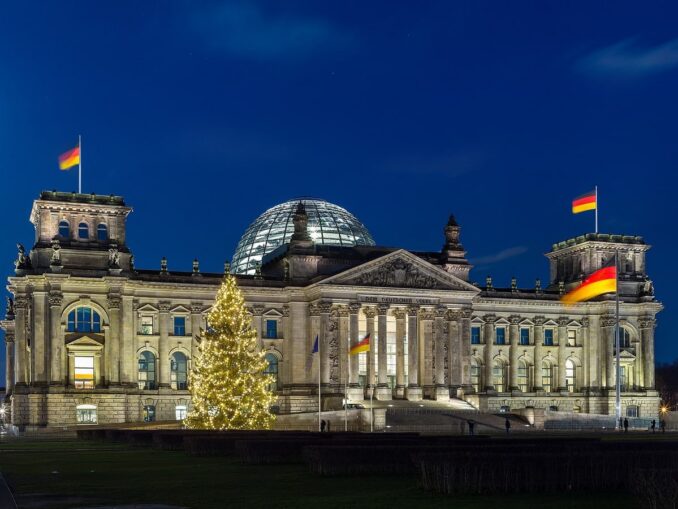
Visit the museums, explore the Reichstag, head up the Fernsehturm TV Tower and perhaps take a trip to Potsdam and Sanssouci Palace. You might even feel like venturing a little further afield!
After all, winter is a wonderful — perhaps even exceptional — time to visit Munich, isn’t it?
You could also head to Cologne or explore Hamburg.
After all, most people who travel during the summer are busy with everyday commitments at this time of year. If they think about taking a trip at all, it’s usually just for a weekend!
- How to Travel Around Germany by Car
- German Castles You Simply Must See
- Is Prague Worth Visiting in Winter?
© Eurotraveler

