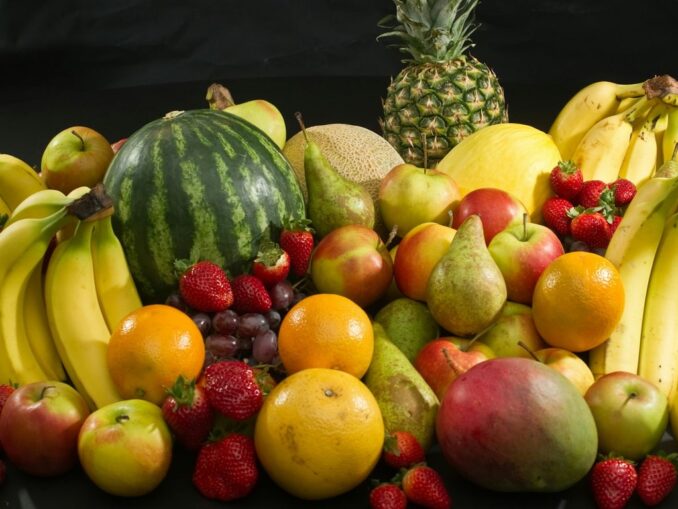
Which fruits grow in Turkey, what tourists should try in April, May, June, July, August, September, and the other months of the year? Where to buy and how much they cost in 2026? Are bananas and other tropical fruits grown in Turkey? When do the first strawberries and sweet cherries ripen? When does pomegranate, persimmon, and mandarin season begin? Eurotraveler tells you all about it.
Greece was obviously the first to promote itself as a country where «you can find everything.» However, given the number of competitors, including some right on its doorstep, it couldn’t claim the title exclusively.
And that’s hardly surprising. These days, Turkey is hardly short of anything either, especially fruit and berries. Almost anyone who has stayed at an all-inclusive resort in the country has personally experienced the vitamin-packed mountains of produce served in hotel restaurants.
But tourists aren’t always happy with the taste or variety on offer. Especially when they can spot a much wider selection at street stalls, markets, and supermarket produce sections. Supermarkets in Alanya, for example, offer a pretty impressive range of fresh produce.
- We decided to take a closer look and find out which fruits actually grow in Turkey. And what about berries?
- When do they ripen and appear on shop shelves, and how good do they taste?
- How much will you have to pay per kilo or per piece in 2026?
It’s Worth Noting
though, that not all the fruit and berries served in hotel restaurants come from Turkish fields and orchards. Some products are simply cheaper to buy abroad and import.
Quality, in that case, naturally takes a back seat. Which is a shame for travelers hoping to enjoy the freshest, most flavorful experiences, including when it comes to food.
That’s why it’s worth turning your attention to locally grown produce! First and foremost at farmers’ markets, as well as in the relevant supermarket sections.
These sections are never empty, no matter when you visit. But they really come into their own, with a much wider selection and plenty of new arrivals, at certain times of the year, such as
Spring
If you arrive in Alanya in April, you’ll find freshly ripened, fragrant strawberries at street stalls. You can also buy oranges, apples, pears, and quince.
By the end of the month, mulberries may even be available. And these berries are incredibly good for health: they’re rich in carotene and vitamin C and have antioxidant properties.
- Unfortunately, they’re rarely found on supermarket shelves back home, so European and American tourists are often unfamiliar with them.
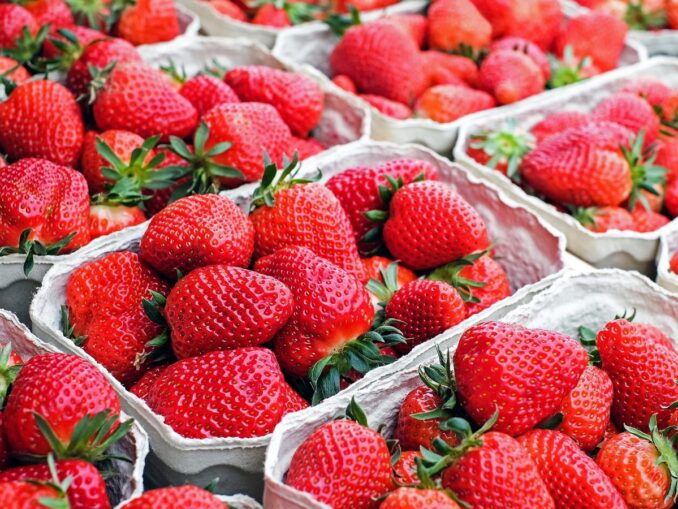
By early April and throughout May in Turkey, strawberries become widely available (with prices starting at around 80 lira per kilo, or approximately 130 rubles or €1.30), along with sweet cherries. The cherries are initially expensive, but their prices gradually come down.
Golden loquats also start ripening around this time.
Naturally,
you won’t be able to bring all these berries home from Turkey unless you’re traveling by car and practically racing back «at the speed of light.» But why not enjoy as much as you like while you’re on holiday?
- In May, the first melons and watermelons of the new season start appearing at Turkish markets.
- However, while the melons may still need some time to ripen, the watermelons can disappoint tourists craving a truly sweet treat, as they may not have developed enough sugar yet.
There’s not much you can do except be patient. Watermelon season usually doesn’t really get going until June. And these berries reach their sweetest in July and August.
A quick note on prices: in early May 2026, a kilo of watermelon cost around 60 lira (less than 100 rubles or 2…). The price dropped quite quickly, though.
Spring, however, isn’t the best time to switch to a mainly fruit-based diet. In summer, holidaymakers can expect a much greater abundance of fresh produce, whether they’re in Kemer, Antalya, Alanya, Bodrum, or Marmaris. Market stalls are practically overflowing with it.
Summer
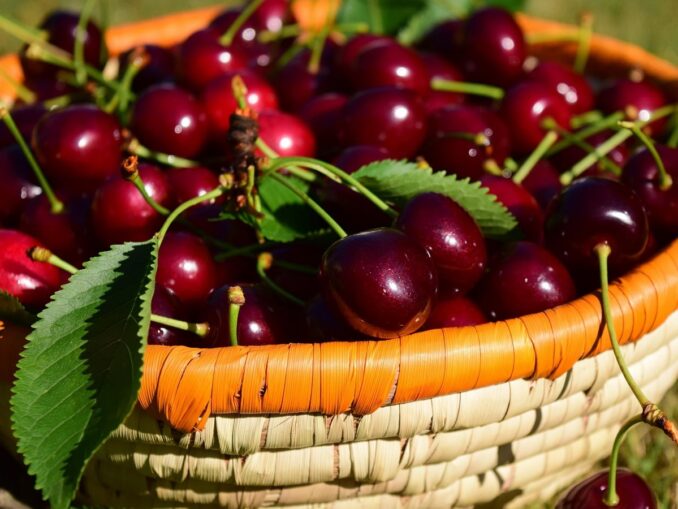
For example, June in Turkey is still sweet cherry season. Cherries appear in such large quantities at markets and in shops that sellers have little choice but to slash their prices.
Trying to predict how much a kilo of cherries will cost is a thankless task. Prices depend heavily on the harvest, which in turn is affected by whether April is warm or cold.
In some years, even in May, this berry can sell for 200–300 lira per kilo.
- In summer, however, sweet cherry prices start to fall.
- For example, in 2026, you could buy it in Antalya for 60–100 lira per kilo (up to €1-2).
Strawberries are also everywhere in June. In Turkey, they’re practically an all-season berry.
You can enjoy them not just in September but even in winter, and they’re often locally grown rather than imported. However, it’s in early June that strawberry prices hit their lowest point, at around 40–50 lira per kilo.
Loquats continue to ripen in large quantities. This is another exotic fruit for northern Europeans. A distant relative of the apple, it may not impress you at first: it’s rather small and doesn’t look particularly exciting.
But once you’ve tasted it, you’ll probably want to buy loquats regularly whenever you get the chance. And in Antalya, you’ll have no shortage of opportunities. Local orchards are practically bursting with clusters of small yellow fruits.
The price reflects the plentiful supply: in summer 2026, you could buy loquats for as little as 30–40 lira per kilo.
At the Beginning of Summer
you’ll also find peaches, nectarines, apricots, and plums at market stalls. Most are locally grown, freshly ripened, and practically picked straight from the tree.
- At first, prices are relatively high, reaching 100 TL per kilo (that’s approximately 160 rubles or €1.60, remember), but they start falling as more and more fresh produce arrives from the orchards.
- And quite significantly, too. In mid-to-late June 2026, you could buy nectarines at Antalya’s markets for just 50–70 lira per kilo!
European shoppers are certainly familiar with peaches and other fruits imported from Turkey. They often complain that these products taste «plastic,» with little flavor and even less aroma.
But that’s practically factory-produced fruit. If you’re lucky enough to find produce from small farms or even private growers at a local market, the experience can be completely different.
In August, the first grapes appear for sale, while watermelons finally reach their peak. Red, incredibly sweet, and bursting with juice, they practically melt in your mouth.
And the price… keeps dropping, eventually reaching just 5–10 TL. Per kilo, unfortunately, not per watermelon! 🙂
Here, we listed some things worth bringing home from Turkey as gifts. Watermelons aren’t on that list!
Exotic Fruits
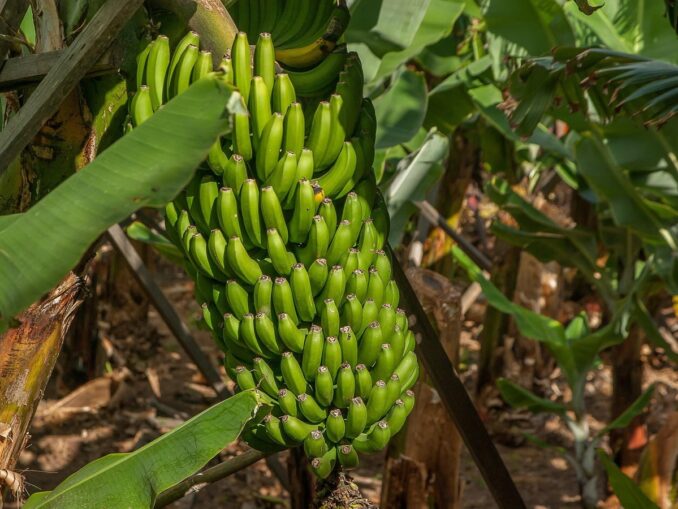
Turkish-grown bananas are also widely available. In fact, their flavor often beats that of the Ecuadorian bananas commonly found in supermarkets. And they’re cheaper, usually costing around 60–80 TL.
Yes, you read that right: bananas grow in Turkey. Originally brought over from Egypt, the seeds of this exotic plant adapted remarkably well to the area just south of Alanya.
More recently, dragon fruit has also started being grown in Turkey. Prices at local markets, however, aren’t particularly friendly: large specimens can cost 25–30 lira or more. It looks promising with its bright pink skin, but its taste is quite unusual.
We also wrote about the exotic fruits that ripen on Hainan Island. Give it a read if you’re planning a trip there!
Autumn and Winter
Tourists visiting Turkey in autumn also have a fantastic opportunity to stock up on vitamins.
September marks the start of grape season, and bunches of grapes adorn practically every market stall. Melons and watermelons are still plentiful, and figs begin to ripen.
You may also come across inexpensive strawberries here and there. Turkey’s climate allows farmers to harvest them several times a year.
Those visiting Antalya in October won’t be disappointed either. Even as the weather starts moving away from summer’s temperature peaks, nature continues to shower us with its bounty.
In mid-autumn, you can buy the following locally grown fruits in Turkey:
- watermelons
- melons
- grapes
- figs
- peaches
and even pomegranates. Of course, it depends on the year, but in most cases, pomegranates ripen in Turkey in October. By then, they’re no longer just «barely ripe»: their skins turn a distinctive deep ruby red, and the fruits fill with juice.
By the way, you can try freshly squeezed pomegranate juice at practically any market. Prices start at around 100–150 lira for a half-liter glass. In tourist areas, a glass of pomegranate juice can cost as much as 300–400 lira.
Persimmons ripen in Turkey in October and November. It’s in mid-autumn, and occasionally toward the end of the season, that these cheerful orange fruits become incredibly sweet and juicy. They have none of the astringency often associated with the persimmons sold in European supermarkets.
Mandarins also ripen in the Asian country during the second half of autumn. Large quantities of other citrus fruits are harvested around the same time: oranges, grapefruits, and lemons.
- Popular Turkish dishes worth trying
- The best months to visit Turkey for a Beach Holiday and…?
- What to see in Antalya and the surrounding area
© Eurotraveler